
broken laminated glass
Marking Out Tools in Metal Work Marking out is a critical process in metalworking that lays the foundation for precision and accuracy in manufacturing components and assemblies. It refers to the technique of transferring measurements onto a workpiece to guide subsequent operations such as cutting, drilling, and machining. The significance of marking out cannot be overstated, as any mistakes at this stage can lead to wasted materials, time, and effort. This article will explore various marking out tools commonly used in metalworking, their applications, and the importance of precision in the marking out process. 1. Scribes Scribes are one of the primary tools used in marking out. Typically made of hardened steel, scribes produce a fine, precise line on the surface of the metal. They are especially effective for marking on hard materials and can be used in conjunction with other measuring tools to enhance accuracy. When using a scribe, it’s essential to ensure that the surface is clean and free of oxidation to allow for clear markings that are easily visible. 2. Calipers Calipers, including vernier calipers, digital calipers, and dial calipers, are indispensable tools for measuring dimensions accurately. They can be used to measure internal and external dimensions as well as depths. Once measurements are taken, the caliper can also help mark precise locations on the workpiece using a scribe or a marking pen. Digital calipers are particularly favored for their ease of use and ability to provide quick readings, reducing the chance of human error in manual readings. 3. Marking Gauges Marking gauges are used to transfer measurements from a reference edge to the workpiece. They typically consist of a sharp point and an adjustable arm to set the required distance. There are several types of marking gauges, including surface gauges, which are useful for marking lines parallel to a reference surface, and mortise gauges, designed for marking mortises and other specific applications. The use of a marking gauge allows for consistent and accurate depth or width markings. marking out tools in metal work 4. T-Squares and Set Squares T-squares and set squares are essential tools for marking right angles and straight lines. The T-square, with its long horizontal arm and perpendicular vertical arm, is ideally suited for larger workpieces, while set squares are more versatile for smaller applications. These tools are especially important when creating layouts for assemblies where precise angles are critical to the integrity of the final product. 5. Markers and Chalk Line For larger surfaces or when visibility is a concern, markers—such as permanent markers or specialized metal markers—can be employed. Additionally, chalk lines can be used to mark long straight lines over considerable distances. Chalk line tools allow for the creation of straight lines quickly, making them invaluable for setting up layouts in large sheets or sections of metal. 6. Die and Tool Marking For specific applications, die and tool marking techniques can be used. Dies often feature engraved patterns that can be pressed onto the workpiece to create precise outlines or designs. Tool marking is particularly useful in production environments where identical parts are made repeatedly, ensuring consistency across each component. Conclusion In conclusion, the marking out process is an essential step in metal working that helps ensure accuracy and efficiency in manufacturing. The array of tools available—from scribes and calipers to marking gauges and chalk lines—provides metalworkers with the means to achieve precise and reliable layouts for their projects. Understanding the proper use of each tool, along with an appreciation for meticulous measurement, can significantly impact the quality of the finished product. In an industry where precision is paramount, investing time in mastering marking out tools will undoubtedly lead to improved outcomes and greater success in metalworking endeavors.
about
broken laminated glass
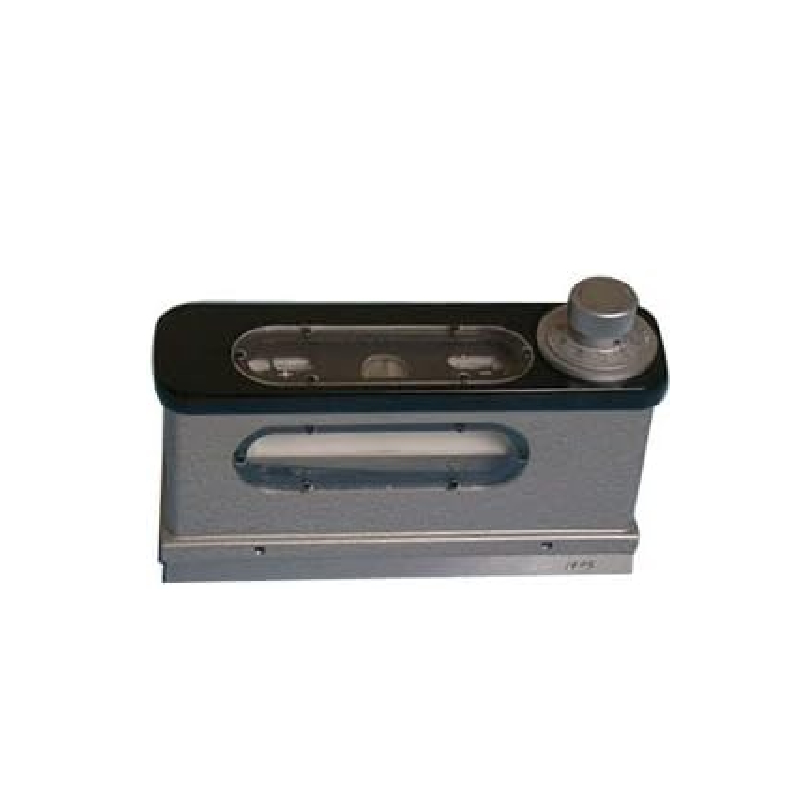
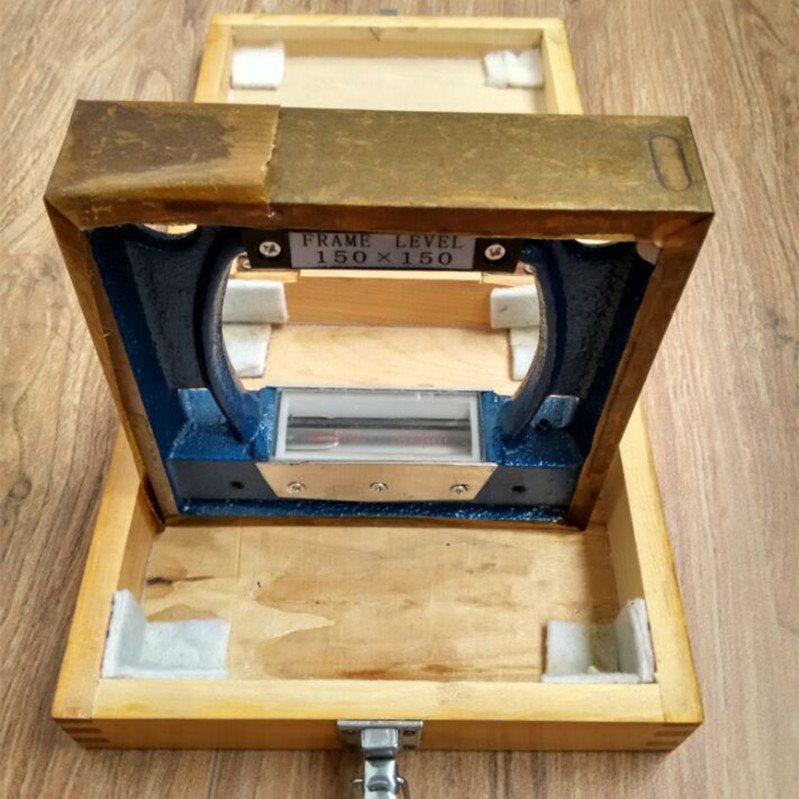
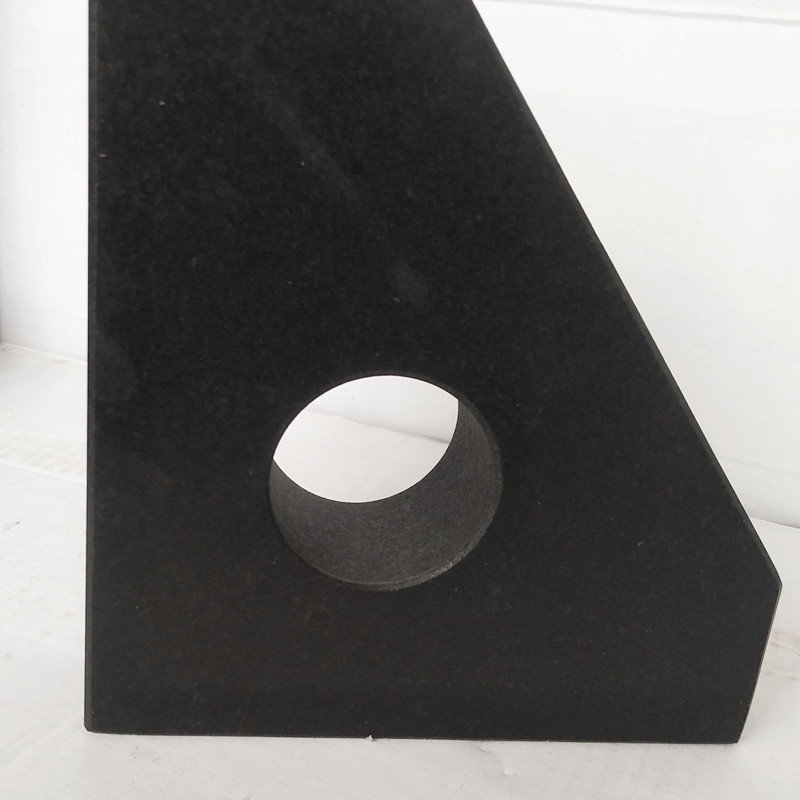
In precision manufacturing, construction, and engineering, a level measurement tool is a fundamental instrument for ensuring that surfaces and structures are perfectly aligned. A level measurement tool helps determine whether a surface is horizontal or vertical, providing the foundation for all subsequent measurements and adjustments. This tool is crucial in a variety of applications, from setting up machinery in a factory to ensuring that floors and walls in construction projects are level. The level measurement tool works by using gravity to determine the alignment of a surface. Most level measurement tools are equipped with a bubble vial, which is filled with liquid and includes an air bubble that moves to the highest point of the vial when the tool is not level. This simple yet highly effective design makes the level measurement tool essential for both everyday tasks and more intricate industrial operations. There are different types of level measurement tools , ranging from traditional spirit levels to more advanced digital versions that provide precise readings in real time. Digital level measurement tools allow for easier use in environments where higher precision is required. Whether you're aligning machines, installing shelves, or conducting more technical measurements, having the right level measurement tool ensures that every project starts on a solid, accurate foundation. Precision Measuring Tools: Achieving Accuracy Across Industries For industries that demand high levels of precision, precision measuring tools are indispensable. These tools provide the accuracy required for tasks that involve detailed work and tight tolerances, ensuring that components meet exact specifications. From aerospace engineering to medical device manufacturing, precision measuring tools are crucial in maintaining the quality and functionality of parts, structures, and systems. A precision measuring tool can take many forms, including micrometers, calipers, dial indicators, and height gauges, among others. Each tool is designed to provide the utmost accuracy, often down to microns or even nanometers, depending on the requirements of the task. The advantage of precision measuring tools lies in their ability to measure with exceptional accuracy, which ensures that components fit together perfectly and function as intended. For example, in industries like automotive manufacturing, where even slight deviations can result in system failures, precision measuring tools are essential to ensure that every part meets the stringent standards required. Similarly, for engineers and designers, the ability to measure and test with such precision is key to ensuring that designs translate effectively from the drawing board to real-world applications. Precision Granite Master Square: Ensuring Perfect Alignment and Squareness In the world of precision measurement, a precision granite master square is an indispensable tool for ensuring perfect squareness and alignment. Made from high-quality granite, this tool offers outstanding stability and accuracy, making it ideal for inspecting and setting up machine tools, fixtures, and parts during the manufacturing process. The precision granite master square is often used in quality control and calibration processes, ensuring that workpieces are square and aligned to the highest standards. The primary benefit of a precision granite master square lies in its material—granite is not only hard and durable, but it is also non-reactive and resistant to wear, making it ideal for precise measurements. Granite’s stability ensures that it maintains its dimensions and flatness even over long periods, providing a consistently accurate surface against which to check parts. Precision granite master squares are available in various sizes, allowing for use in both small-scale and large-scale operations. They can be used in conjunction with other measuring instruments, such as level measurement tools , to ensure the accuracy of machine setups, tool alignments, and the overall quality of finished parts. Whether you're working with a level measurement tool to check a surface's horizontal alignment or using a precision granite master square to inspect the squareness of a frame, the combination of these tools ensures that measurements remain consistent and reliable. Level Measurement Tool and Precision Measuring Tools: A Perfect Pair When performing complex measurements, using both a level measurement tool and precision measuring tools together provides a comprehensive solution for ensuring that surfaces and parts are accurate and within the desired tolerances. The level measurement tool ensures that horizontal or vertical surfaces are correctly aligned, while precision measuring tools provide the fine measurements needed to inspect parts to the highest levels of accuracy. For instance, a level measurement tool can be used to ensure that a surface is level before measuring the specific dimensions of the part with precision measuring tools like micrometers or calipers. This dual approach is particularly beneficial in industries such as machine building, metalworking, and quality control, where both general alignment and fine measurements are crucial. Moreover, the use of tools like a precision granite master square in conjunction with level measurement tools enhances the reliability and consistency of measurements. The precision granite master square can help establish a reference point for squareness, ensuring that measurements made with precision measuring tools are truly accurate and aligned. This pairing of tools is vital in environments where errors are costly, and the demand for precision is high. Choosing the Right Tools for Precision Measurement When selecting measurement tools for a specific application, it’s important to understand the requirements of your project and choose the right instruments accordingly. Whether you’re working with a level measurement tool , a precision measuring tool , or a precision granite master square , the tools you select will play a crucial role in the accuracy of your work. For applications requiring alignment and leveling, a level measurement tool is essential. If you need to measure with extreme precision, you should invest in precision measuring tools that offer fine accuracy and reliability. When squareness and alignment are critical, a precision granite master square should be your tool of choice, as it offers both durability and precision. Ultimately, the best tools are those that offer the right combination of durability, accuracy, and versatility for your specific application. By choosing the right level measurement tool , precision measuring tools , and precision granite master square , you set the stage for a more efficient, error-free workflow that results in higher-quality outcomes.
-

High quality industrial productsagement

High quality industrial products
View Details -

Meet the diverse needs of customers

Meet the diverse needs of customers
View Details -

Strict quality control

Strict quality control
View Details -

Top raw materials

Top raw materials
View Details -

Trusted supplier

Trusted supplier
View Details
Our application
news and information
Vannvalver
Typer Vannventiler Vannventiler er avgjørende komponenter i både husholdninger og industriell infras
Varieties of ball valves and their unique characteristics in valve industry trends
Ball valves are an essential component in various industries, including oil and gas, water treatment
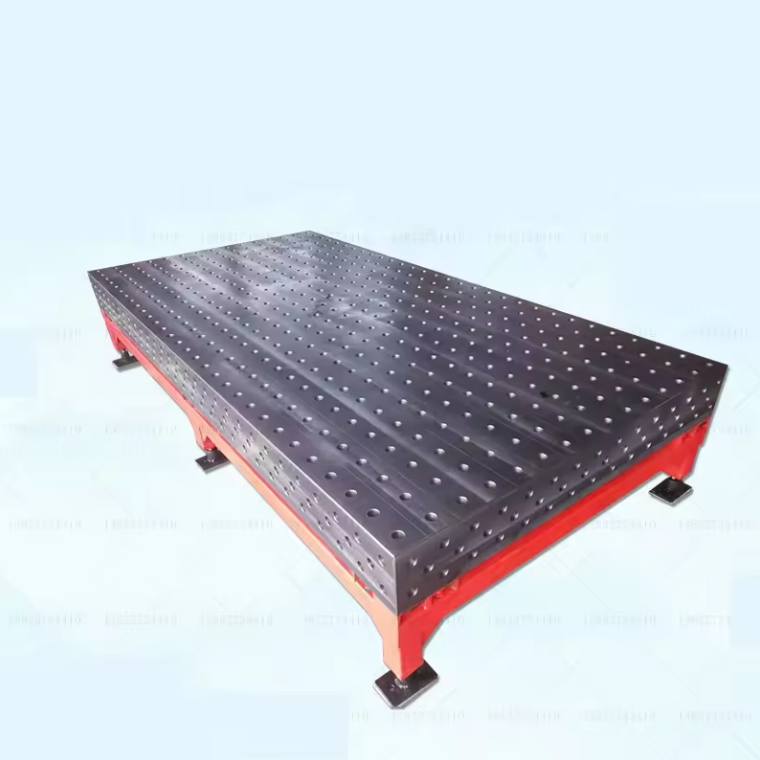
Versatile Welding Table for Modular Fabrication and Assembly Projects
The Modular Welding Table Enhancing Efficiency in Metal Fabrication Welding is a critical process in
 English